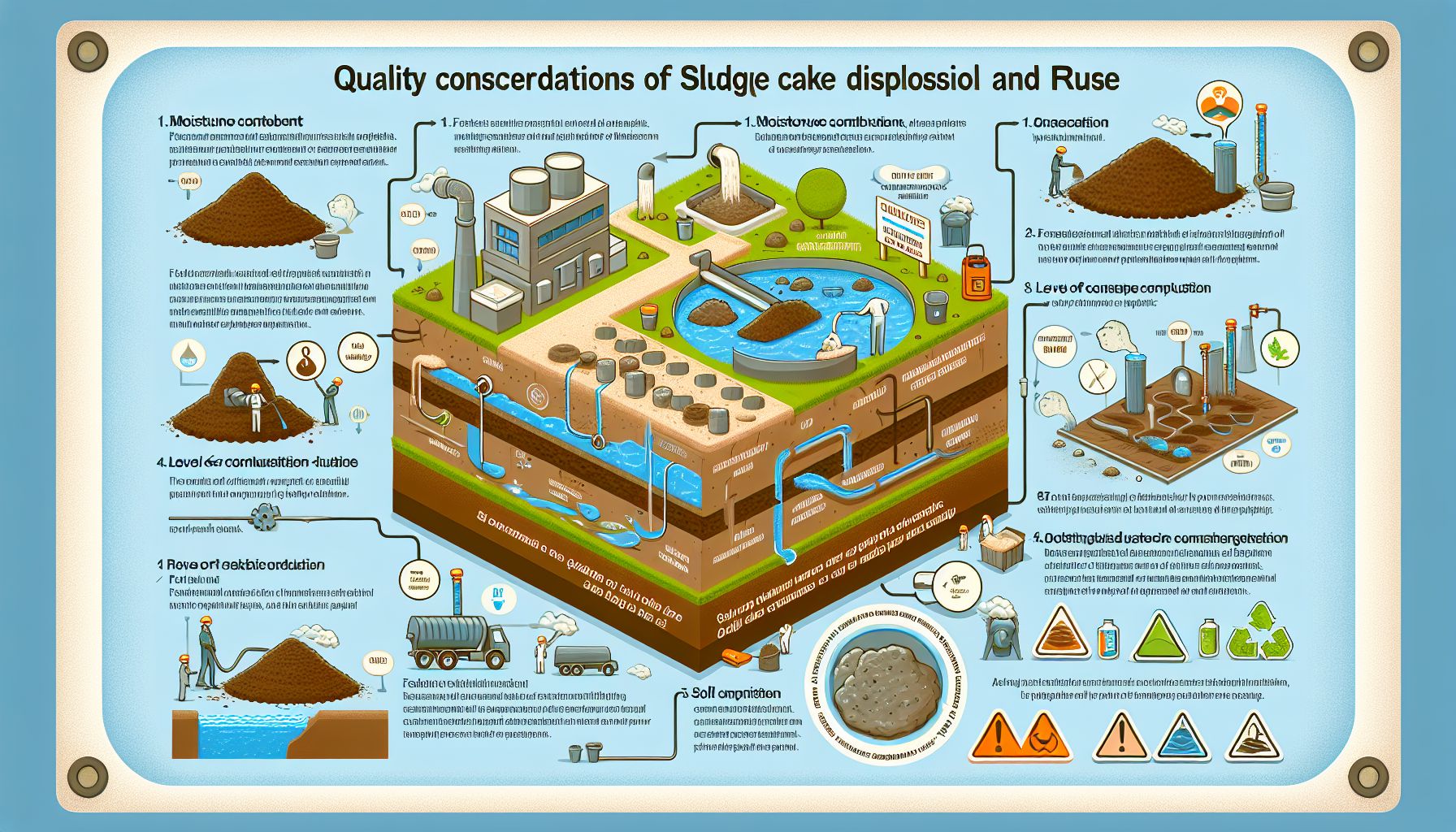
Sludge cake is a form of biosolids that are the byproduct of sewage treatment plants. This material undergoes significant treatment to remove harmful contaminants and is often used for disposal or reuse in various ways. The quality of this sludge cake is vital as it impacts its potential uses, environmental compliance, and overall sustainability.
Quality Factors of Sludge Cake
Several factors determine the quality of sludge cake, all of which can impact its disposal or potential reuse. Key considerations include contaminant levels, moisture content, and nutrient composition.
Contaminant levels in sludge cake must be minimal to ensure safety. Higher levels of heavy metals or pathogens can pose significant health risks, disqualifying the sludge cake from beneficial reuse or requiring more costly and precise disposal methods.
The moisture content of sludge cake can also significantly impact its handling and end-use. Drier sludge cake is easier to transport and handle, allowing for more cost-effective disposal or reuse.
Nutrient composition can determine its value as a soil amendment. High nutrient content, specifically nitrogen and phosphorus, can be signifiers of high-quality sludge cake.
Disposal of Sludge Cake
Disposal of sludge cake primarily takes place in landfills or is incinerated. Both choices require certain compliance with environmental standards. For landfill disposal, the sludge cake must be adequately dewatered to reduce its volume. Similarly, for incineration, the lower moisture content allows for more efficient energy recovery.
The biosolids disposal options provided by the Environmental Protection Agency offer guidance on compliant, safe, and sustainable disposal strategies. Importantly, having higher quality sludge cake can reduce disposal costs and environmental impact.
Reuse of Sludge Cake
High-quality sludge cake can also be beneficially reused, usually as a soil amendment or for energy recovery. In agriculture, it can add vital nutrients back into the soil, aiding in crop growth. However, it’s the quality of the sludge cake that has profound implications for its safe and effective reuse.
High nutrient content can increase the fertility of the soil and benefit crop growth, while low contaminant levels help ensure safety for consumers and the environment. Some municipalities also use high-quality sludge cake in energy recovery processes, with the biosolids acting as a form of renewable energy.
Potential Risks and Challenges
Regardless of the quality, the disposal or reuse of sludge cake holds certain risks and challenges. These include potential health risks from pathogens or contaminants, regulatory compliance, and public perception. It is essential to monitor the quality of sludge cake continually and adjust treatment methods accordingly.
The Quincy wastewater treatment plant, for example, faced compliance issues due to higher levels of pathogen content in its sludge cake. Incidents like this underscore the importance of regular testing and quality control.
Nonetheless, when dealt with properly, the risks of sludge cake disposal or reuse can be mitigated, and the material can serve as a valuable resource rather than a waste product.
Measuring and Improving Quality
Routine testing of sludge cake is paramount to assure quality and safety. Standards such as EPA’s 40 CFR Part 503 provide guidelines for sludge cake monitoring and control.
Operators can modify treatment processes to improve sludge cake quality. Techniques such as thermal hydrolysis and anaerobic digestion can increase sludge cake’s dry solids content and reduce pathogen levels.
Conclusion
Sludge cake, a byproduct of wastewater processing plants, poses both challenges and opportunities. Its disposal or reuse heavily relies on its quality. By understanding and continuously monitoring the key factors that impact this quality, operators can make informed decisions about its best purpose—whether landfill disposal, incineration, a soil amendment, or for energy recovery.
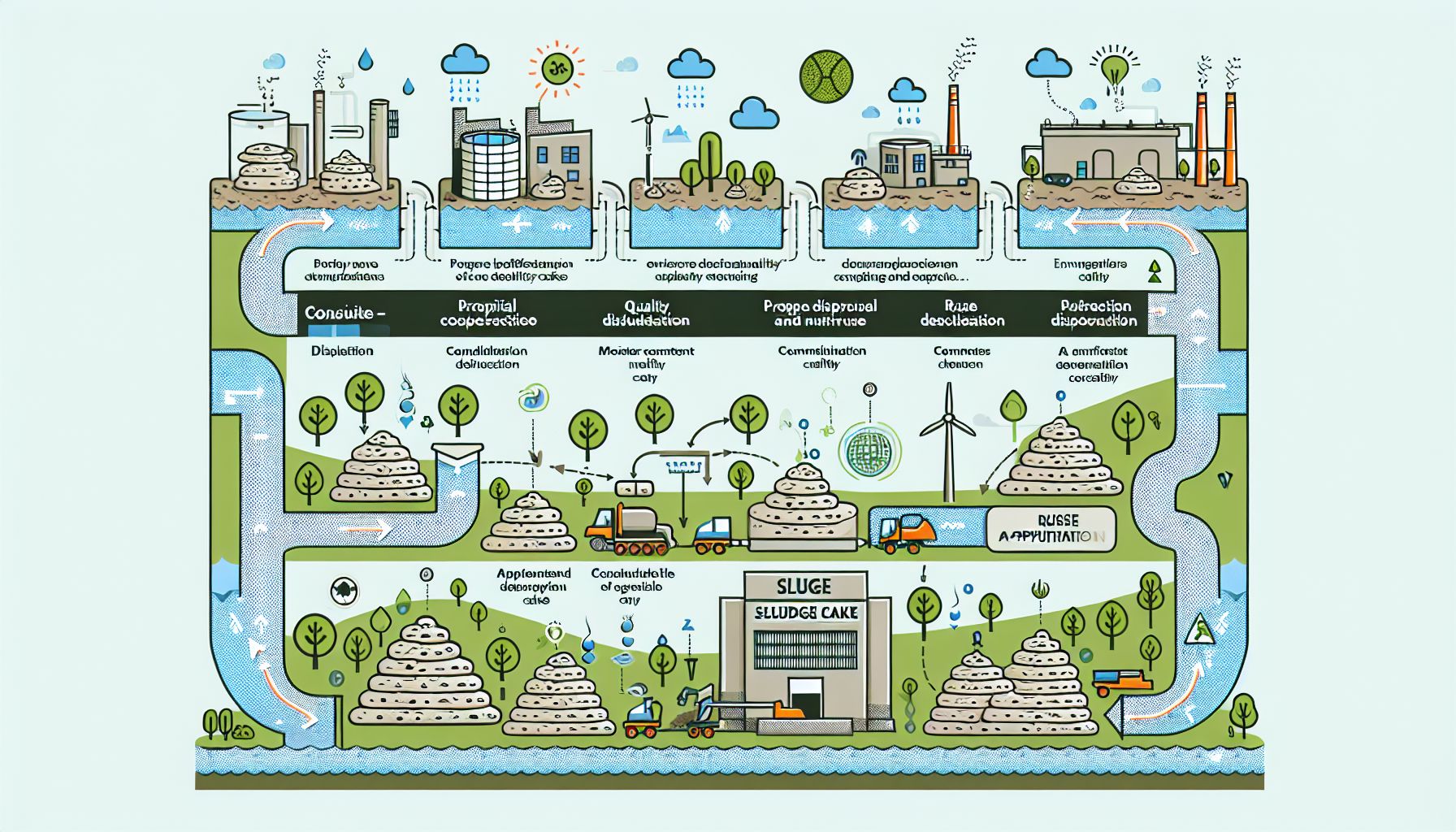
However, making the most out of sludge cake requires a comprehensive understanding of its quality, potential uses, challenges, and continuous attention to regulatory compliance. Knowledge about the topic and ongoing learning and improvement can indeed transform this often overlooked material into a valuable resource.