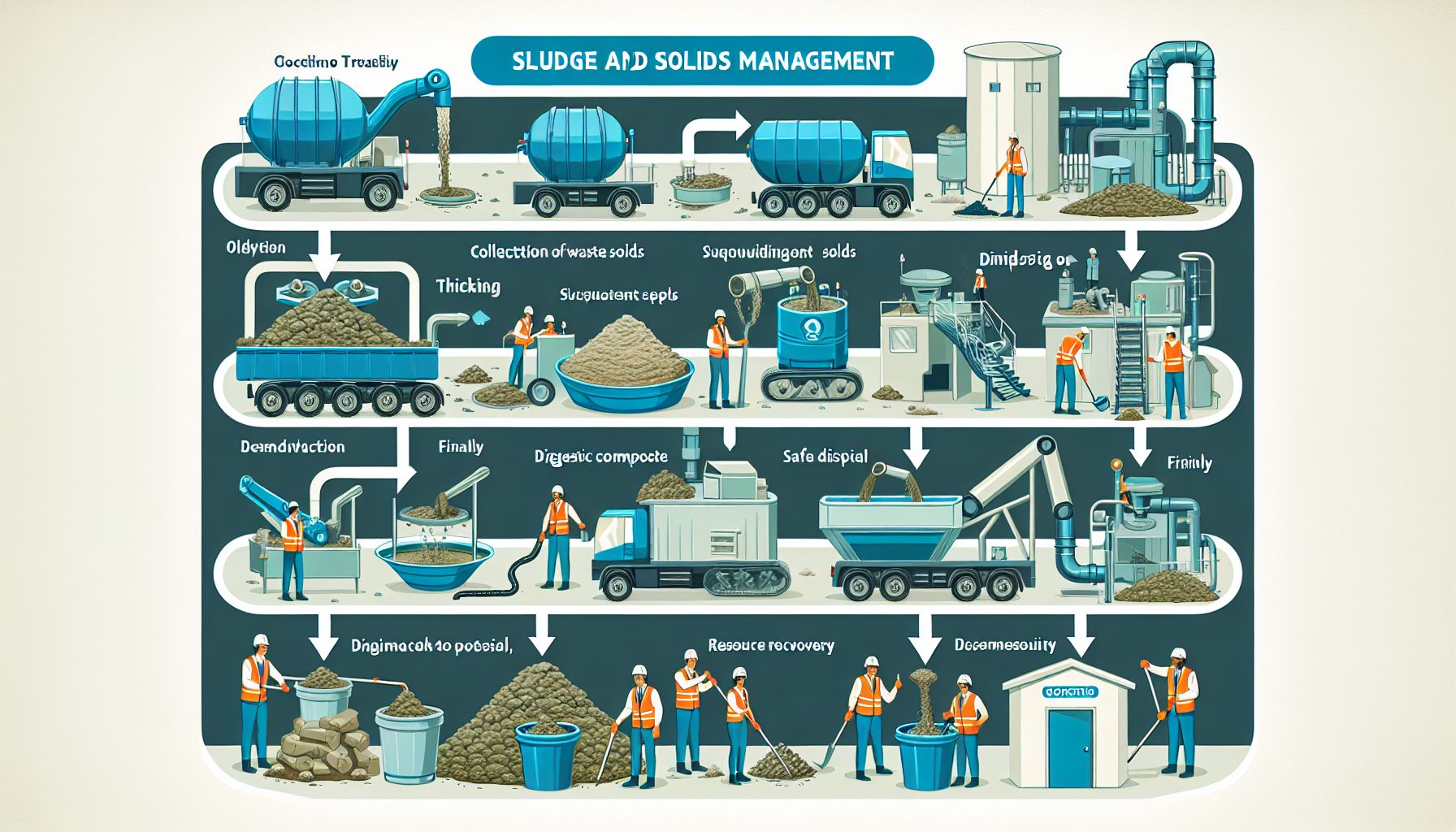
Sludge and solids management is an essential aspect in wastewater treatment facilities. It’s a critical component of maintaining a sustainable environment, upholding public health, and abiding by the environmental regulations. This article provides an independent reference on sludge and solids management, focusing on the approaches, technologies and considerations involved in the process.
What is Sludge?
Sludge is a residual semi-solid material left as a by-product during sewage treatment or industrial wastewater processes. It often contains significant amounts of heavy metals, toxins, and microorganisms, all of which require careful management. Proper handling is of paramount importance due to potential health hazards and environmental implications.
Importance of Sludge and Solids Management
Failure to manage sludge and solid waste sufficiently can have far-reaching impacts. Inadequate management leads to harmful contaminants finding their way into water bodies and soils, causing environmental degradation and public health risks. Proper sludge management helps stabilize these waste materials, reducing their amount and making them safe for disposal or use as soil amendments.
Sludge Treatment Processes
The primary processes involved in sludge management are thickening, dewatering, and stabilization. Thickening reduces the volume of the sludge, making subsequent processes more efficient. Dewatering further reduces the sludge’s water content, thereby reducing the volume and weight of the sludge that needs to be handled. Stabilization, on the other hand, includes processes that break down the organic material in the sludge, reduce pathogens, and make the sludge safe for disposal or beneficial use. WaterandWastewater.com offers a wealth of resources on these processes and more.
Advanced Technologies in Sludge Management
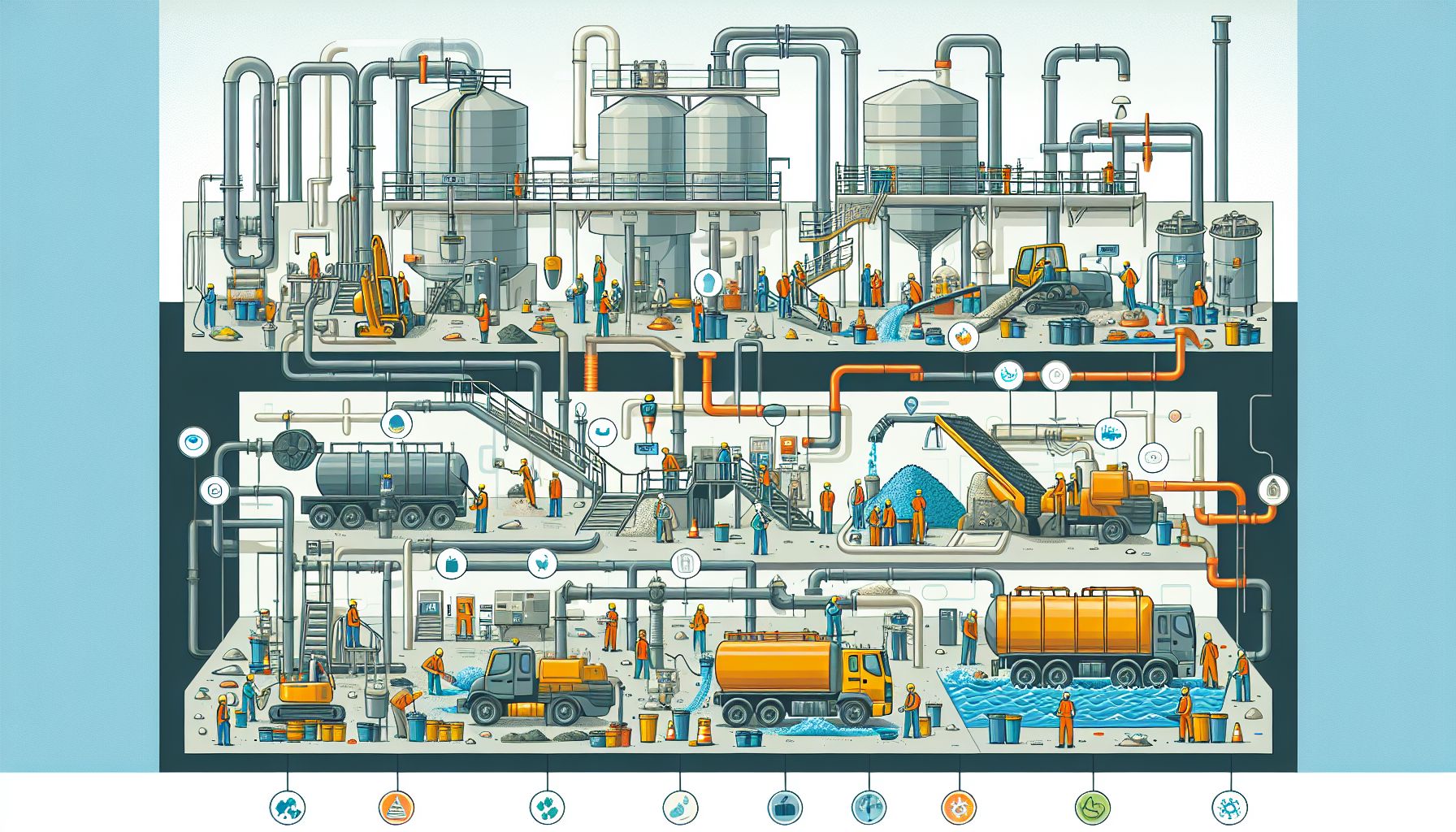
Technology plays a vital role in sludge management. Traditional methods have given way to advanced technologies that are more efficient, cost-effective, and environmentally friendly. For example, Thermal Hydrolysis Process (THP) and anaerobic digestion are processes that allow for the extraction of energy from sludge, essentially creating a renewable source of power from waste.
Regulatory Considerations
The environmental and health threats posed by sludge and solid waste have led to strict regulatory controls. Wastewater treatment plants must adhere to regulations set forth by the Environmental Protection Agency (EPA) and local government bodies. The EPA has specific rules regarding the disposal of sewage sludge, as delineated in The Code of Federal Regulations (40 CFR Part 503). These guidelines specify allowable mechanisms, including landfills, surface disposal, and incineration, and have provisions for land application.
Challenges in Sludge Management
Despite advancements, sludge management still faces a series of challenges. Some of the issues include a high dependence on fossil fuels, high cost of operation and maintenance, and dealing with the by-products of the processes, including gases associated with greenhouse effects.
The Future of Sludge Management
Future directions in sludge management are focusing on sustainability, resource recovery, and cost-effectiveness. Research is leaning more towards transforming waste into resources, such as generating energy from sludge or producing bio-products. A study conducted by The National Center for Biotechnology Information points to this transition towards sustainable practices.
In conclusion, sludge and solids management is an intricate part of wastewater handling and is crucial to the preservation of the environment. It involves a variety of processes, a range of technologies, stringent regulations, and perennial challenges. By harnessing advancements in the field, treatment plants can ensure efficient sludge management while staying on the path of sustainability.